Works where Bluetooth cannot, and lasts years longer.
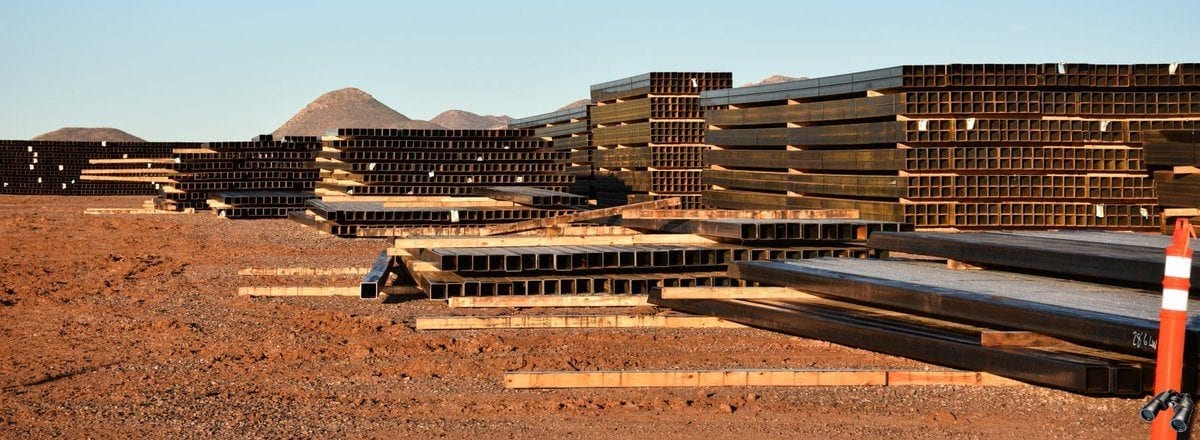
Factories and industrial plants usually have a high density of metal equipment, such as conveyor belts, processing machinery, and storage racks.
Power plants, including nuclear, thermal, and hydroelectric power stations, often have a large amount of metal equipment, such as turbines, generators, and cooling systems.
Mining sites typically have a high concentration of metal equipment, including drilling rigs, excavators, conveyor belts, and processing plants.
Aircraft manufacturing and maintenance facilities are full of metal equipment, including engines, fuselages, landing gear, and tools.
Tunnels, bridges, and roads often require large amounts of metal equipment, including support structures, rails, and signaling equipment.
Medical and research facilities often have a large amount of metal equipment, including surgical tools, imaging machines, and scientific instruments.
Ships, offshore platforms, and port facilities are typically filled with metal equipment, including engines, cranes, and storage tanks.
Building sites often require a large amount of metal equipment, including scaffolding, cranes, and heavy machinery.
Long battery life is needed for long trips to end customer locations, and our tags last years longer than the competition. Integrate with billing to enable critical revenue operations with reliable location data.
Find anything in any environment, no matter what signal interference is present.
Stop performing manual audits. Know where all your assets are in real time.
You don't have to manually track usage of your rental items. Drive billing with real-time data.
Bluetooth tags will quit working when too many are used in one spot, or when the area is saturated with wireless signals. Ours keep going.
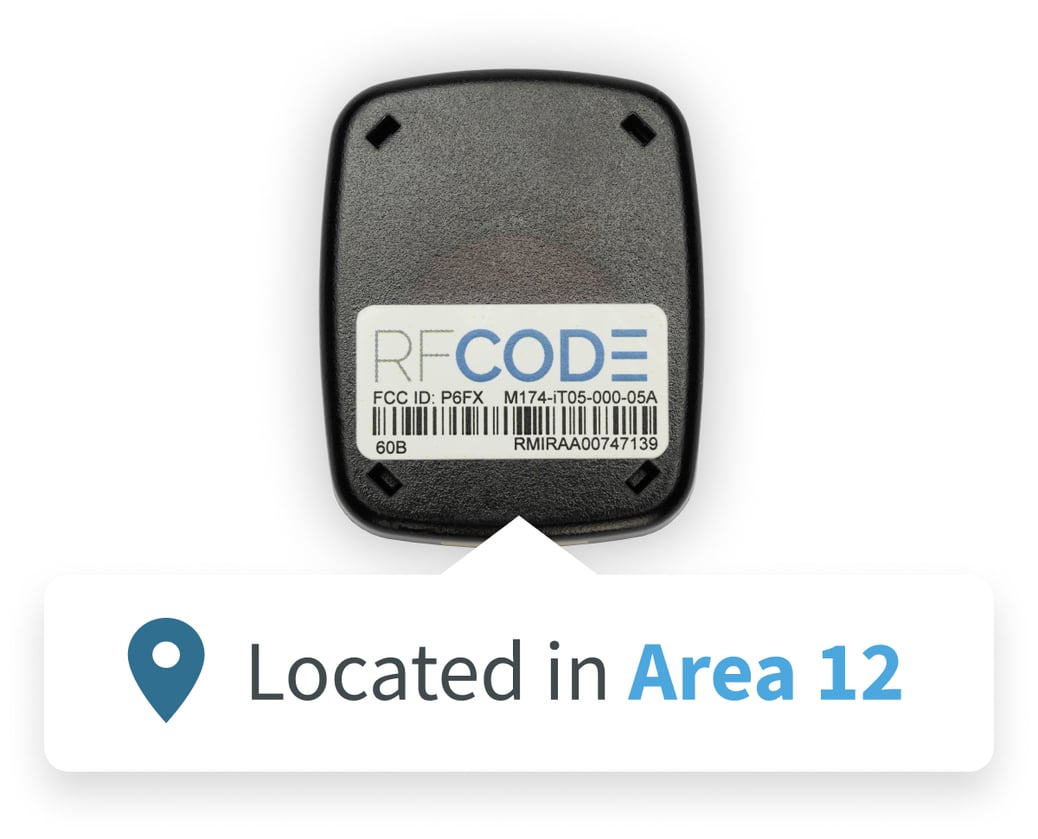
With our proprietary low-frequency tags, you can track assets in real time from inside and around metal enclosures.
People choose RF Code for asset tracking because our battery life outlasts Bluetooth Low Energy by years, with an average life span of 7 years.
